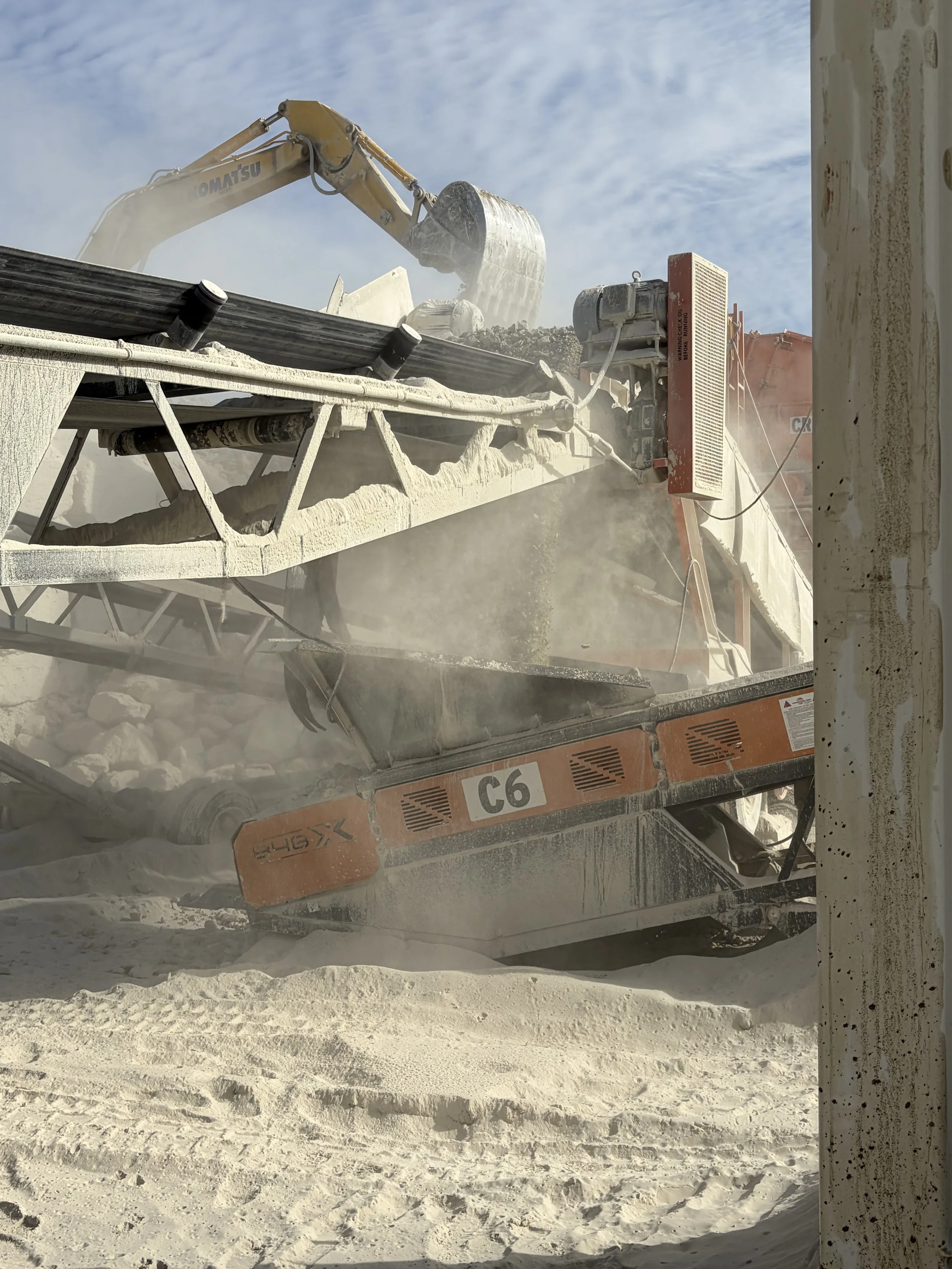
Solutions for not only compliance but for miner’s health and safety
Respirable Crystalline and Respiratory Protection
MSHA posted a new rule on November 12, 2026 reflecting proposals to the Respirable Crystaline Silica and Respsiratory Protection Standards that are appllicable to both Metal-Nonmetal and Coal mining. Key changes are:
Clarifies when rotation of miners is prohibited for miners exposed to respirable crystalline silica;
Updates the exposure monitoring requirements to include risk-based criteria;
Establishes an error factor of 21 percent to be applied to silica sample results;
Clarifies that only MSHA inspector samples will be used to issue citations for non-compliance with the permissible exposure level (PEL);
Clarifies when MNM mine operators may use respirators;
Adopts by reference Occupational Safety and Health Administration’s (OSHA’s) Respiratory Protection Standard; and
Updates the medical surveillance requirements to include risk-based criteria.
Key ClientsLOGO
logo
Logo
LOGO
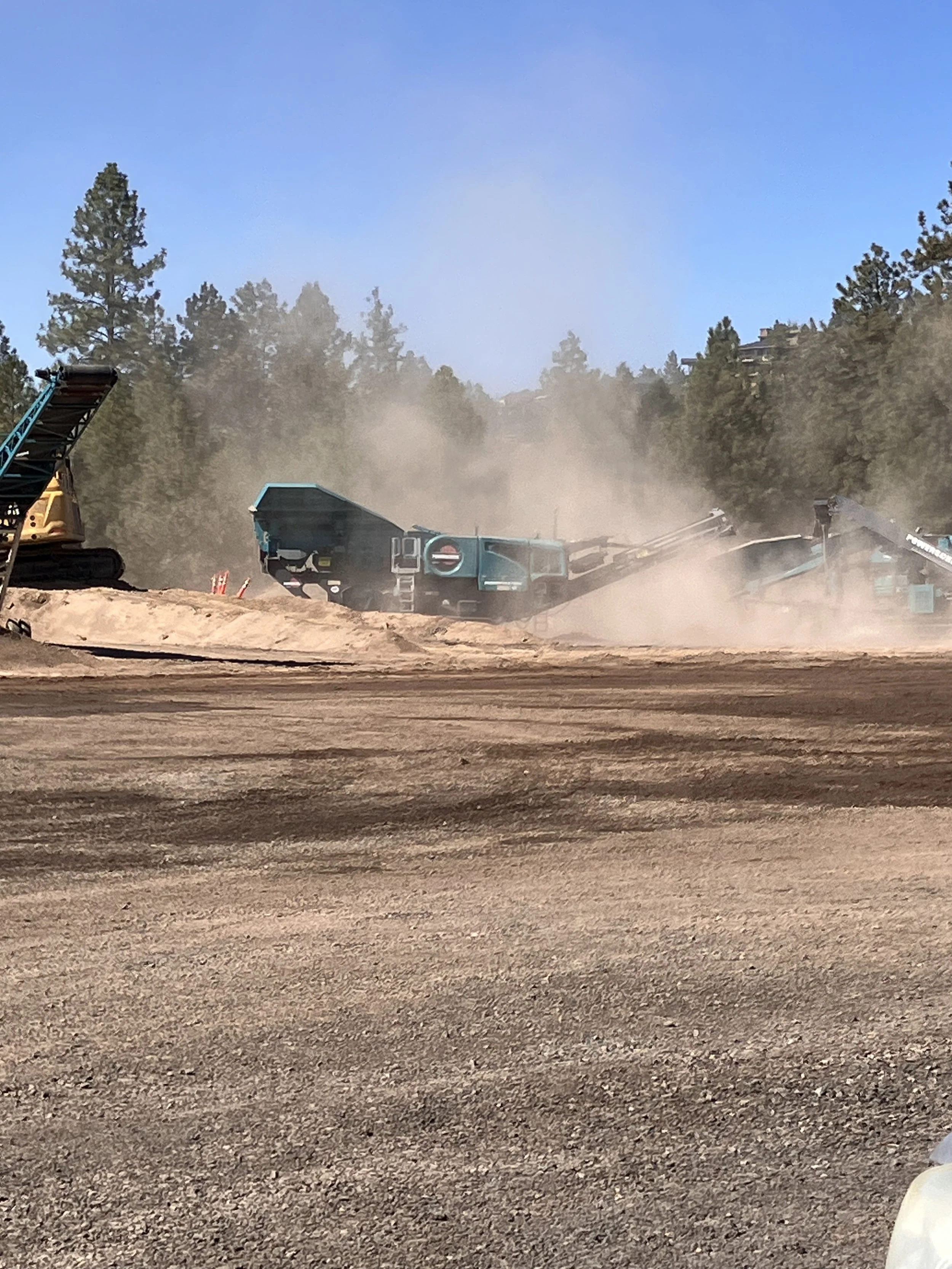
Why does your industrial hygiene matter?
-
Based on the best available evidence, MSHA holds operations accountable that no miner will suffer material impairment of health or functional capacity from exposure to known toxic materials or harmful physical and/or respirable agents over their working lives.
Harmful Respirable Crystalline Silica may not be seen like regular fugitive dust from operations, travel ways and etc.. The reason why and by the meaning of respirable, the content gets past our natural respirator filtration and becomes trapped. We can’t exhale it. Because its so small our defenses cannot stop it.
-
MineSafe utilizes calibrated equipment to collect samples of the miner’s breathing air and ultimately sends those samples to an approved laboratory to analyze and publish the results.
-
WIth those laboratory results, MineSafe will guide you through those results and recommend any corrective actions if needed.